










Your Semi Truck’s Air Compressor – All You Need To Know
Your semi’s air compressor may look like any other piece under the hood, but it’s actually the central piece of your truck’s braking system. This little workhorse works around the clock…

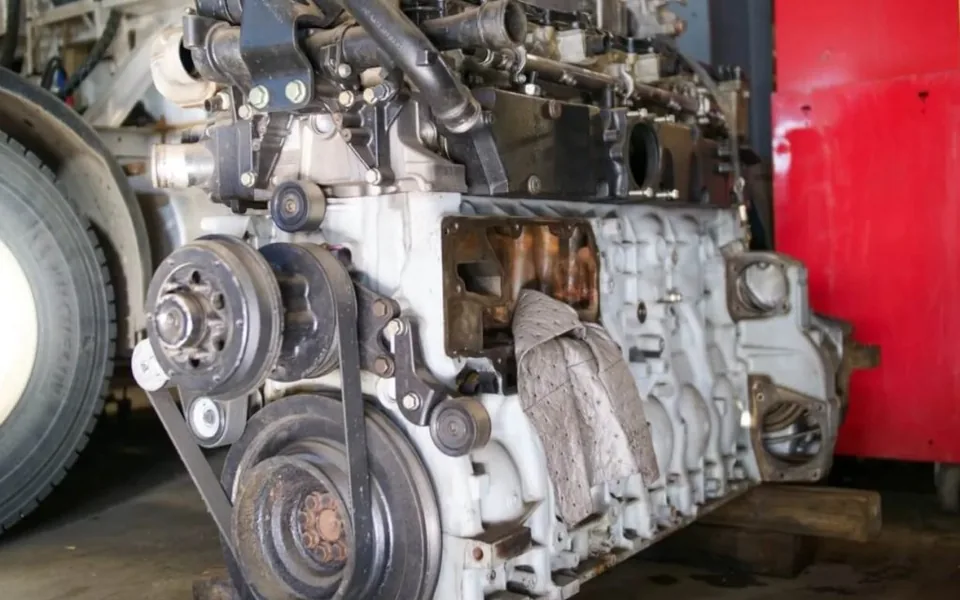
Your semi’s air compressor may look like any other piece under the hood, but it’s actually the central piece of your truck’s braking system. This little workhorse works around the clock with your primary engine to create compressed air for safe and efficient braking.
Think of your air compressor as being a silent sentinel – it’s working hard in the background, maintaining your air tanks at the proper pressure so that your brakes respond instantly every time you want to use them. Without a functioning air compressor, your brake system would fail and you and everyone else driving on the road would be in danger.
The plain fact? No air and no brakes means no going. That’s why understanding how your semi truck’s air compressor operates isn’t maintenance alone – it’s safety.
Continue reading as we guide you through the do’s and don’ts of your semi’s air compressor, from its simple purpose to maintenance strategies that’ll have your braking system running in prime condition at top performance. Let’s get to it with this vital part that keeps your rig stopping safely, mile after mile.
Learning the Air Compressor System
Your air compressor on your semi truck is a small engine that runs parallel to your primary engine. This essential piece of equipment generates compressed air utilized by your vehicle’s braking system to operate efficiently.
How Your Air Compressor Works
Imagine a small but powerful mechanical system connected directly to your truck’s master engine. As your engine is running, your air compressor kicks in and generates compressed air that passes through a series of hoses into your air tanks. Your compressed air is now at your disposal at any time you hit the brake pedal to slow down or stop your vehicle.
Power Connection Methods
Your air compressor is attached to the main engine by one of two means. In a gear system, the compressor is built into the engine’s gear system. In a belt system, power from the engine is delivered to the compressor.
Either way, continuous operation is assured – as long as your engine is running, your air compressor continues to operate to provide the air pressure required for safe braking.
The air compressor design supplies compressed air in a steady stream, pumping it to your air tanks via a series of hoses. The process is automatic, so as long as your system is in good working condition, you will never be without the air pressure needed for dependable braking action.
Key Components of the Air Compressor System
Your semi truck’s air compressor system relies on three critical components working together to maintain safe braking operations:
1. Air Tanks
These storage vessels hold the compressed air produced by your compressor. Think of them as your braking system’s reserve power bank – they store the pressurized air needed for effective brake operation. Without properly functioning air tanks, you’d have no way to maintain consistent braking pressure.
2. Governor
This vital component acts as the system’s pressure regulator. It’s directly attached to the air compressor and controls when air flows into your tanks. The governor prevents over-pressurization by:
- Monitoring tank pressure levels
- Stopping airflow when tanks reach full capacity
- Allowing air flow to resume when pressure drops
3. Air Hoses
A network of heavy-duty hoses connects all components of your air brake system. These reinforced lines:
- Transport compressed air from the compressor to tanks
- Distribute air from tanks to brake components
- Maintain system integrity under high pressure
All these components have a crucial function in avoiding brake failure. A crack in your air hoses, faulty governor, or ruptured air tanks can result in hazardous situations – such as total brake system failure. When all these components work together in perfect harmony, they provide a sound and safe braking system for your semi truck.
The Governor’s Role in Pressure Regulation and Safety Features
Your semi-truck governor is a critical control system that ensures precise air pressure levels for safety. Your governor automatically regulates the air flow into the tanks to keep them within the most efficient operating range of 120 to 140 PSI.
How Your Governor Regulates Balance
When your tanks are 120-140 PSI full, the governor will shut off the airflow automatically. When you brake, and the air pressure is lost slowly, the governor will let the compressor fill up the tanks. When they are full, any surplus air is safely released into the air, producing a characteristic hissing sound.
Safety Mechanisms
Your truck’s systems are equipped with the necessary protective safety features. The low air warning system kicks in when pressure decreases to about 60 PSI and notifies you via warning lights and buzzers. An emergency brake activation automatically engages if the pressure falls between 20 and 40 PSI, triggering brake valves on the dash to protrude. At this point, your truck becomes immobile until sufficient air pressure is restored.
These automated safety features prevent unsafe operation under low pressure conditions, ensuring your braking system maintains reliable performance during your hauls.
Consequences of Low Air Pressure and Warning Systems
Your semi truck’s air pressure system includes critical safety features designed to protect you and others on the road. When air pressure drops below 60 PSI, you’ll face serious operational risks:
Safety Risks at Low Pressure:
- Brake system failure
- Loss of vehicle control
- Inability to slow or stop effectively
- Automatic emergency brake activation
- Complete vehicle immobilization
Warning System Activation
Your truck’s alert system is triggered at certain pressure levels to avert hazardous circumstances. At about 60 PSI, you are given a light on the dashboard visual warning together with a buzzing sound alert signal, clear signals that there is an immediate need for action.
Emergency Protocol
If pressure continues dropping to 20-40 PSI range, your truck’s emergency protocol kicks in automatically. The emergency brake valves will pop out, causing the vehicle to become immobilized for safety. These brake valves are designed to resist manual override attempts. It’s crucial to understand that you cannot move the truck when it’s in this state.
Maintenance Tips for Optimal Performance and Longevity
This important system requires regular maintenance to run efficiently and extend its service life. A regular checkup prevents sudden breakdowns and makes your braking system safe to use.
Essential Maintenance Practices:
- Check air hose connections daily for signs of wear, cracks, or loose fittings
- Listen for unusual sounds during operation that might indicate mechanical issues
- Monitor pressure gauge readings throughout your route
- Keep the compressor clean and free from debris
- Inspect belt tension if your system uses belt-driven components
- Document pressure build-up times during your pre-trip inspections
Pressure Monitoring Best Practices:
- Start each day with a thorough pressure check
- Watch for pressure drops during normal operation
- Record build-up time from 85 to 100 PSI
- Note any changes in normal pressure patterns
A well-maintained air compressor system functions at its best and will run longer. Integrating these maintenance checks into your regular routine will help you identify problems early enough before they become full-blown problems. Your concern for system servicing ensures smooth brake performance and safety on the road.
Remember to keep detailed maintenance records – they’re invaluable for tracking system performance and identifying patterns that might indicate developing issues. These records also help maintenance technicians diagnose problems more effectively when professional service becomes necessary.
Seeking Professional Help When Needed
Your semi truck’s air compressor system sends clear signals when it needs professional attention. Watch for these warning signs:
- Persistent Low Air Pressure: If your air tanks struggle to maintain pressure above 60 PSI despite a running engine
- Unusual Noises: Changes in the normal air dump sound pattern
- Warning Systems Activation: Frequent triggering of warning lights or buzzers
- Emergency Brake Issues: Brake valves popping out unexpectedly or refusing to stay pushed in
- Slow Air Pressure Build: Extended time needed to reach the 120-140 PSI range
A qualified diesel repair service can diagnose and fix these issues before they lead to complete system failure. Professional technicians have specialized tools and expertise to diagnose problems. They can thoroughly test governor functionality and inspect gear or belt drive mechanisms for wear. Their comprehensive service includes evaluating air tank integrity to detect any leaks or damage. Technicians meticulously check all system connections to ensure proper sealing and operation. They also precisely calibrate pressure settings to manufacturer specifications for optimal performance.
Remember – DIY air brake system repair can put your life at risk and can be against the law. If you observe these symptoms, then it’s time to leave your truck in the hands of experienced experts.
Choose Us At Superior Truck and Trailer Repair
Find out how your semi truck air compressor system works so you can drive safely. Having it serviced regularly and knowing how your air compressor works will prevent costly breakdowns and hazardous driving conditions.
Don’t wait for warning lights or an emergency – have your air compressor system inspected. It’s for your safety and others’ safety.
Need expert help with your semi truck’s air compressor? Our team at Superior Truck and Trailer Repair is here to help. Give us a call at (502) 789-6644 for reliable service you can count on.
Remember: A well-maintained air compressor system means safer braking, dependable performance, and peace of mind on every trip.



