










You Can Extend the Life of Your Semi Truck Manual Transmission with Simple Maintenance
Your semi truck’s manual transmission is a vital component that demands regular attention and care. A well-maintained transmission system can save you thousands in repair costs and keep…

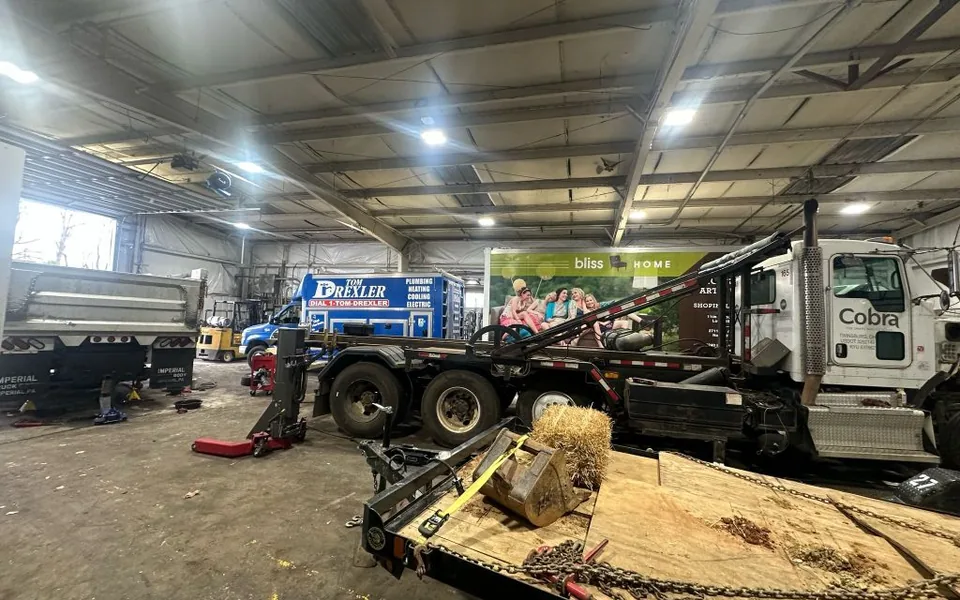
Your semi truck’s manual transmission is a vital component that demands regular attention and care. A well-maintained transmission system can save you thousands in repair costs and keep your truck running smoothly for years to come.
Regular maintenance isn’t just about preventing breakdowns – it’s about:
Extended Equipment Life: Proper care can significantly increase your transmission’s lifespan
Cost Reduction: Catching small issues early prevents expensive repairs
Enhanced Performance: Well-maintained transmissions operate more efficiently
Improved Safety: Regular checks help prevent transmission-related accidents
Our comprehensive maintenance guide covers the essential tasks from daily inspections to mileage-based service. You’ll learn about proper fluid levels, clutch maintenance, and critical inspection points that keep your transmission in peak condition.
Key maintenance tasks include:
- Daily air tank bleeding
- 5,000-mile initial oil changes
- 10,000-mile oil level checks
- 40,000-mile clutch inspections
- Regular auxiliary box maintenance
It’s also crucial to pay attention to other aspects of your truck like the engine. Regular engine maintenance serves as a powerful tool in preventing costly repairs. For instance, blow by on a diesel engine can lead to significant issues if not addressed promptly.
That being said, maintaining your truck’s axle is equally important for its overall performance. If you’re in need of expert diagnostics or repairs, you might want to consider reliable services like heavy-duty truck axle repair.
It’s also essential to stay compliant with regulations, so conducting regular DOT inspections should be part of your routine maintenance.
In addition to these, we also provide resources on how to improve your experience while resting in your big rig which directly impacts your safety and job performance as a driver.
Let’s dive into these maintenance procedures to help you maximize your transmission’s performance and longevity.
Daily Maintenance Checks
Your daily maintenance routine creates a strong foundation for your semi truck’s transmission health. These simple checks can identify potential issues before they develop into costly repairs.
Essential Daily Checks:
- Drain air tanks to prevent moisture buildup and condensation
- Listen carefully for any air leaks in the system
- Check for oil spots or puddles under your truck
- Inspect the clutch pedal operation
- Monitor transmission operation for unusual sounds or behavior
A quick 5-minute daily inspection helps maintain optimal transmission performance. Your transmission gives warning signs through sounds, feel, and visual indicators – staying alert to these signals during your daily checks helps prevent unexpected breakdowns and extends your transmission’s service life.
Remember to document any unusual findings during your daily inspections. This record helps track patterns and supports better maintenance planning for your semi truck.
In addition to these checks, it’s crucial to remember that performing a brake check on your semi truck is not merely another task to add to your list of chores – it’s an important habit that has the potential to save the day in a moment of crisis. Knowledge of truck braking systems is very important for your safety as a driver, other road users’ safety, and your professional reputation.
Furthermore, if you ever find yourself in a situation where you’ve received a traffic ticket as a truck driver, it can feel like an unbearable weight on your shoulders. For guidance on what steps to take next, refer to this helpful resource on what you should do as a truck driver after receiving a ticket.
Lastly, don’t overlook the importance of bushings in maximizing your semi-truck’s efficiency. They ensure proper alignment between the control arm and chassis so that the correct steering input comes out of the front.
Mileage-Based Maintenance
Your semi truck’s manual transmission needs specific maintenance at different mileage intervals to ensure optimal performance:
5,000-Mile Mark
- Initial transmission lubricant change
- First comprehensive inspection
10,000-20,000 Mile Intervals
- Oil level checks
- Output shaft inspection
- Air filter element replacement
- Air dryer system maintenance
40,000-Mile Mark
- Clutch inspection through bell housing
- Grease line inspection for throughout bearing
- Air system connections check for solenoid-based transmissions
100,000-250,000 Mile Intervals
- Complete transmission fluid change
- Inspection for metallic particles
- Clutch housing cap screws inspection (5 times yearly for high-mileage trucks)
These scheduled maintenance checks help identify potential issues before they develop into major problems. Regular clutch inspections are particularly critical – they prevent premature wear and ensure smooth gear transitions during your drives.
Transmission Components Inspection
Your semi truck’s transmission relies heavily on proper component functionality. The slave cylinder in 10-speed transmissions requires regular inspection to maintain optimal performance. We recommend checking these cylinders during your routine maintenance schedule.
Air system connections demand special attention in solenoid-based transmissions. Schedule inspections every 20,000-40,000 miles to:
- Check for air leaks
- Verify proper connection integrity
- Assess solenoid functionality
- Inspect linkage components
The air compressor system is a critical part of your semi truck, and it relies on three critical components working together to maintain safe braking operations.
The remote control linkage system needs evaluation during each preventive maintenance service. This inspection helps identify potential issues before they develop into major problems.
For optimal transmission performance, pair these inspections with regular air filter element and air dryer replacements every 20,000 miles. The output shaft also requires inspection at this interval to ensure smooth power transfer through your transmission system.
It’s also important to keep an eye on the diesel fuel injector, as common diesel fuel injector problems can lead to significant performance issues. These crucial components are designed to inject precise amounts of fuel into your engine’s combustion chamber – when they fail, it can severely impact your vehicle’s operation.
Moreover, it’s essential not to overlook the importance of having a comprehensive understanding of your vehicle’s operational manual. For instance, the owner manual for UD Trucks provides valuable insights that can aid in the upkeep and longevity of your semi truck.
Clutch System Maintenance
The design of your truck’s clutch system is crucial for its transmission performance. Older trucks have a mechanical system with adjustable rods, allowing drivers to manually adjust the clutch play. On the other hand, modern trucks use hydraulic systems with self-adjusting clutches, which simplifies maintenance but can hide potential issues.
Key maintenance requirements:
- Inspect clutch housing cap screws every 20,000-80,000 miles
- For high-mileage trucks, perform inspections 5 times per year
- Lubricate clutch pedal shafts regularly
- Install automated self-adjusting clutches in hydraulic systems to prevent premature failure
Regularly inspecting the clutch through the bell housing every 40,000 miles can help identify wear patterns and potential problems before they cause system failure.
It’s also important to note that the overall performance of a truck isn’t solely dependent on its clutch system. Other components like shock absorbers, play a vital role in ensuring a smooth and stable ride.
As we move towards a future where autonomous truck technology is becoming more prevalent, understanding the mechanics of these systems will be essential for maintenance and repair.
Moreover, for rookie drivers, understanding these systems can significantly impact their driving experience and safety.
In addition to clutch maintenance, other aspects such as[HVAC systems and exhaust systems also require regular attention for optimal truck performance.
Lastly, with advancements in technology, we are also witnessing a shift towards hydrogen semi-trucks, which could potentially replace diesel engines in the near future. This makes it crucial to understand why semi trucks typically do not use gasoline engines, as this knowledge will aid in making informed decisions regarding truck maintenance and operation.
Oil Level and Analysis
Regular oil level checks are crucial for your transmission’s health. A simple finger test at the edge of the fill line helps ensure proper lubrication during rotation. We recommend checking your oil level every 10,000-20,000 miles, with increased frequency if you spot oil on the ground.
Your transmission oil tells a story about your truck’s health. Oil analysis helps detect metal particles indicating wear, irregularities in transmission components, and early warning signs of potential issues.
Recommended Oil Change Intervals:
- Initial change: 5,000 miles
- Heavy-duty highway use: Every 250,000 miles or 2 years
- Mid-range highway use: Every 100,000 miles
- Off-highway use: Every 500-1,000 hours
These intervals protect your transmission from abnormal wear and potential damage that could occur from complete oil loss. It’s worth noting that Caterpillar’s recent decision to stop producing on-highway truck engines signifies a major shift in the industry, which may affect future maintenance practices.
If you’re experiencing issues such as an inverter shutting off frequently while driving long routes, it might be time to change the low voltage cut-off to prevent further disruptions.
Auxiliary Box and Gear Maintenance
Your semi truck’s 10-speed transmission, which relies on an auxiliary box that houses vital components for higher gear output. This specialized unit contains:
- 2 counter shafts
- 1 main shaft
- 5 additional gears
The auxiliary box multiplies your transmission’s capabilities, effectively turning 5 basic gears into 10 functional speeds. These components experience significant wear due to constant use and require dedicated maintenance attention.
Automated truck tops feature XY shifters connected to basic boxes. The shifting mechanism operates through air solenoids, controlled by your shifter knob assembly. This intricate system demands proper lubrication to prevent premature wear and maintain smooth gear transitions.
Regular inspection of your auxiliary box helps identify potential issues before they escalate into costly repairs. We recommend checking these components during your scheduled maintenance intervals to ensure optimal performance and longevity of your transmission system.
For those considering an upgrade, mastering how to handle an 18 speed transmission could be beneficial. This guide provides step-by-step instructions to guarantee silky-smooth gear changes every time you drive.
Transmission Fluid Recommendations
Your semi truck’s transmission needs the right fluid to perform at its best. We recommend using 50-weight oil, available in both synthetic and SAE variants. These specifications match the CPA and 9080 weight classifications required for optimal performance.
Here’s your essential fluid maintenance schedule:
Initial oil change: 5,000 miles
Heavy-duty highway use: Every 250,000 miles or two years
Mid-range highway use: Every 100,000 miles
Off-highway use: Every 500 hours or 30,000 miles
For trucks operating in demanding conditions, we suggest:
- Inspect factory fuel every 30,000 miles
- Change transmission fluid every 500 hours
- Replace transmission every 1,000 hours
Regular fluid maintenance prevents transmission damage from oil depletion on highways. During changes, we inspect for metallic particles – a key indicator of internal wear.
Troubleshooting Common Issues with Semi Truck Manual Transmissions
Your truck’s transmission sends clear signals when it needs attention. Here are key issues to watch for:
Aftertreatment System DPF Issues: The aftertreatment system in your semi-truck minimizes harmful emissions and ensures proper engine performance. If you notice a drop in performance, it might be due to most common semi truck aftertreatment system DPF issues.
Diesel Issues in Single Axle Semis: If you’re operating a single axle semi-tractor and experiencing problems, it could be related to diesel issues. We have identified 3 common diesel issues that owners of these vehicles are likely to face along with practical solutions for each problem.
1. Grinding During Downshifting
- A telltale sign of worn sliding cat clutches
- Requires immediate inspection to prevent further damage
- Can lead to complete transmission failure if ignored
2. High Mileage Warning Signs
- Pay extra attention when your truck hits 500,000 miles
- Look for metallic particles during oil changes
- Listen for unusual noises or vibrations
3. Critical Inspection Points
- Check transmission oil for metal shavings
- Inspect clutch engagement and disengagement
- Monitor shifting patterns for changes in smoothness
Regular inspections help catch these issues early. A grinding sound during gear changes isn’t normal – it’s your transmission asking for help. At 500,000 miles, your transmission needs closer monitoring as wear becomes more likely.
Choose Superior Truck and Trailer Repair
The longevity of your semi truck’s manual transmission relies on regular maintenance and prompt professional service. By following the maintenance steps we’ve outlined – such as daily checks and mileage-based inspections – you can greatly prolong your transmission’s lifespan and avoid expensive repairs.
We understand that manual transmission maintenance can be complex. That’s why at Superior Truck and Trailer Repair, our skilled technicians are here to assist you in implementing these maintenance practices and resolving any transmission issues you may have. We specialize in truck transmission services, including clutch repair, rebuilds, and maintenance for semi-trucks and heavy-duty vehicles.
Don’t let minor problems escalate into major ones. Allow us to help you maintain your semi truck’s transmission and ensure the smooth operation of your business.
Ready to extend the life of your transmission?
- Call us at (502) 789-6644
- Schedule your maintenance check today
- Get expert advice on your transmission maintenance requirements
Your truck’s performance is our top priority – trust Superior Truck and Trailer Repair for all your transmission maintenance needs. Remember, routine maintenance from diesel specialists is a lifeline for commercial truck fleet operations to run smoothly, helping save time and money.



